KAKINDO VILLAGE × IN PLANNING
Ubuntu Village Shop
A small shop at the heart of the housing project, run by the women in our project. It keeps daily necessities close, and keeps the money the households spend inside the village.

WHY A SHOP
Essentials within walking distance
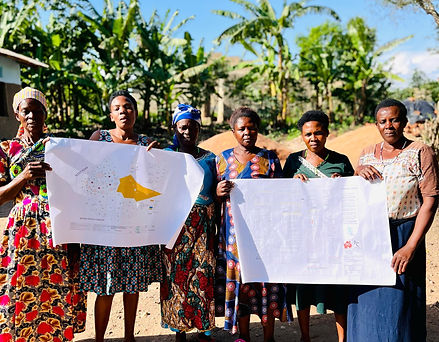
For the nine widows and their children and grandchildren living in Ubuntu Village, a trip to the nearest trading centre costs time and money most households do not have. A village shop changes the arithmetic: soap, sugar, flour, paraffin and school supplies are available a few steps from home.
The shop is also the first enterprise owned by the Ubuntu Village Housing Project itself. The shopkeeper is one of the residents, the stock is chosen by the families, and the profit is reinvested in the village, starting with the food forest and the maintenance of the homes.
What you can find
—
Soap, sugar, flour and paraffin
—
School supplies for the homeschooling children
DISTANCE
Walking
Everyday essentials no longer require a long trip to the trading centre.
INCOME
Stays local
Household spending becomes wages for the shopkeeper and profit for the village.
—
Basic medicines and first-aid items
—
Seeds and gardening tools for the food forest
—
Fresh produce from the organic garden
STOCK
Needs first
The items sold are chosen by the families who live there.
FUTURE
Growing
Built to expand with the food forest, academy and clinic.
HOW IT FITS
Part of a self-feeding village
The shop sits alongside the homes, the organic garden and the food forest. Produce from the garden can be sold in the shop; the shop can sell seeds and tools back to the gardeners. The result is a loop: food, income and dignity all circulating inside the same six acres.
As the Ubuntu Learning & Leadership Academy and the clinic grow on the new one-acre site in Kakindo Village, the same shop model can expand there — giving students, patients and neighbours access to essentials without leaving the campus.